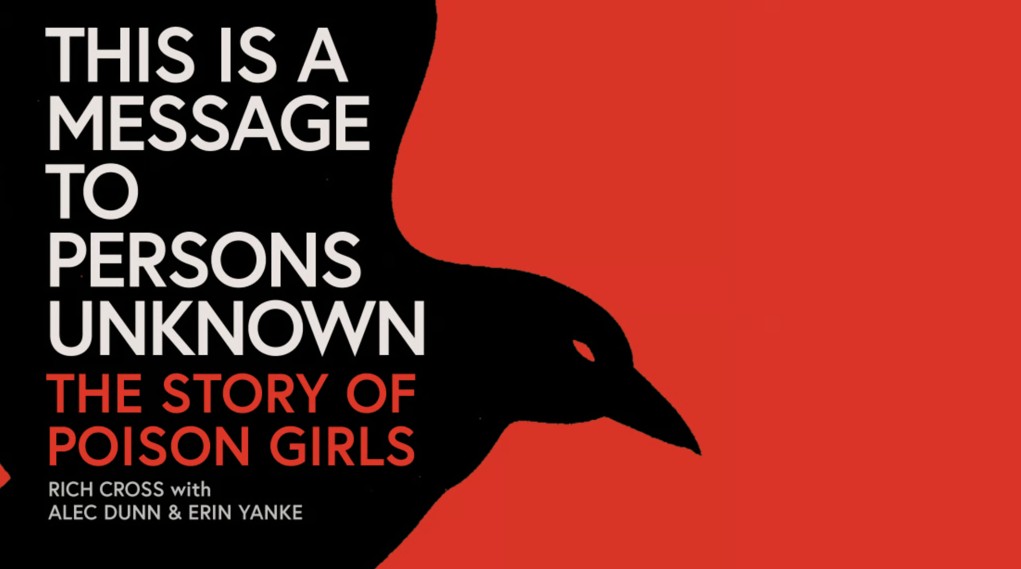
Writer of This is a Message to Persons Unknown: The History of Poison Girls, Rich Cross, shares with The Hippies Now Wear Black the story of how the book came to fruition, the story of the band that he and his collaborators were keen to explore, the sources he was able to make use of, and of the powerful dynamic that developed between the words he was writing and the book’s evolving full-colour design.
Could you introduce and say a little about the new book?
For sure. This is a Message to Persons Unknown: The Story of Poison Girls is a fully-illustrated, 100k word history of the music, the practice, the artistry and the politics of Poison Girls. It begins in the band’s pre-history, in the mid-1970s, and follows the work of the band through all the different phases in the group’s life up to the Poison Girls’ dissolution in 1989. It then documents new creative projects that came out after the band finished, including Poison Girls’ 1995 reunion.
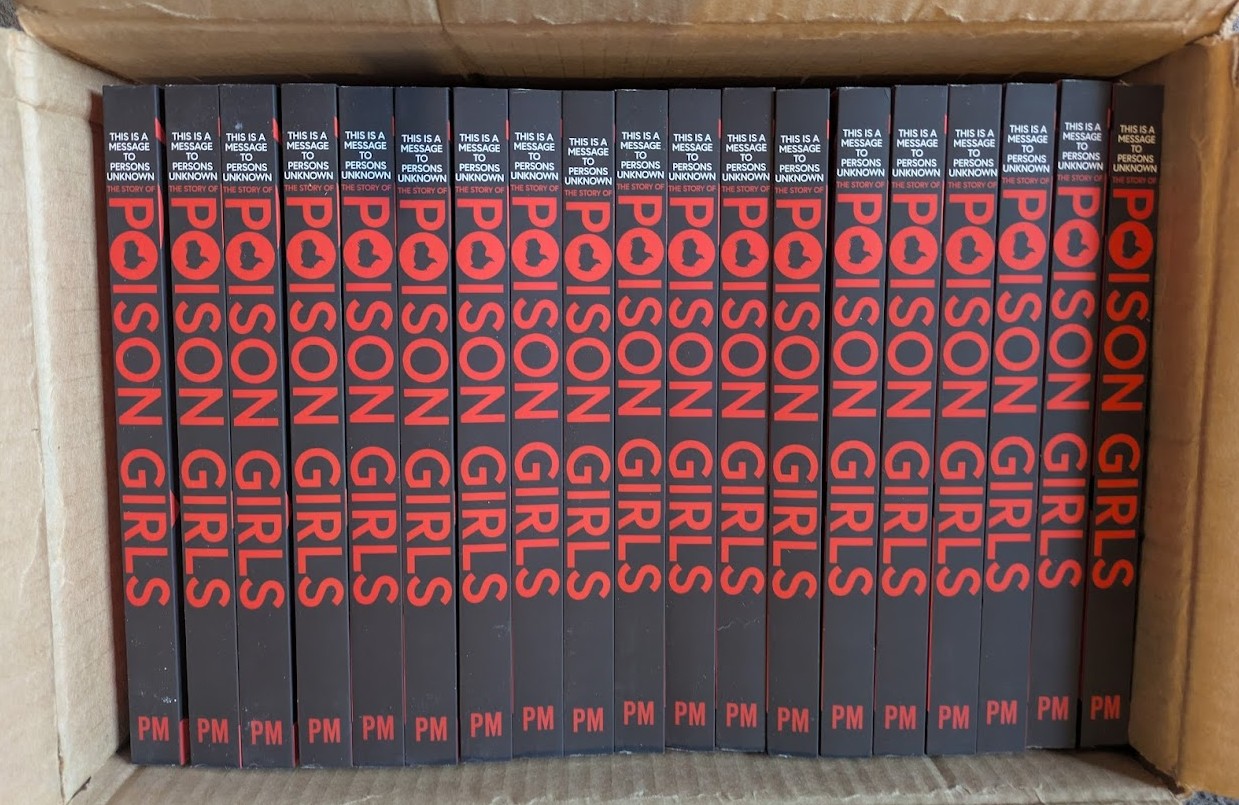
The book is in 8 x 10 inch format, is full-colour throughout, and runs to 288 pages. Its published by PM Press, in the UK and the US, and is available in both paperback and hardback formats.
Given how much writing has now been published on the history of the anarchist, punk and DIY movements in the UK in the 1970s and 1980s, why has there never been a book dedicated to the story of Poison Girls before now?
That’s a really good question. And one that’s hard to come up with a convincing answer for. There should have been books–multiple books–written about Poison Girls long before now. The band’s distinctive music, politics, practice and artistry more than merit the attention. And Poison Girls have been a source of inspiration for many musicians and artists in the years since they were active.
But they are also an atypical band, a band that was always resistant to being categorised, and a band that traversed different musical genres over time. Which means that, as a subject matter, they’re not a straightforward pitch, even to non-mainstream publishers, who still want to be confident about the readership who might be interested in a book they’re going to have to fund.
The band’s distinctive music, politics, practice and artistry more than merit the attention
— Rich Cross
And by the band’s own admission, Poison Girls’ identity included a contrarian streak which could, at times, end up limiting how brightly the spotlight shone on them. The fact that Poison Girls ended up being left out of Ian Glasper’s The Day the Country Died–the landmark anarcho-punk almanac of its time–simply because some part of the authoring process didn’t quite work out has always frustrated me–and lots of other people. But somehow it’s oddly in-keeping.
Our hope is that This is a Message to Persons Unknown helps to stimulate renewed interest in Poison Girls amongst those who were around at the time and highlights their work for new and younger audiences–keen to expand their awareness of the countercultural practices of the outsider British music scenes of the 1970s and 1980s.

So with that in mind, how did this book get the go-ahead?
The book exists because of the belief and commitment of Ramsey Kanaan at PM Press, who was determined that there would be a book that sought to do justice to the legacy of Poison Girls–and who brought together a trio of people he was confident could deliver that.
Back in 2014, I’d written an illustrated history of the band for Punk & Post-Punk journal, which was one of–if not the–first reasonably substantial attempt to account for the history of Poison Girls, which sought to position their story in a wider cultural and political context. That piece was positively received by band members Vi Subversa, Lance d’Boyle and Richard Famous, which encouraged me that I was on the right track.
By the time that piece appeared, I’d been running The Hippies Now Wear Black site for many years, and had presented and published on a lot of different aspects of anarcho, political and outsider punk. Sadly, within a few short years, I was writing extended appreciations of the life and work of first Vi Subversa and then of Lance d’Boyle. Working on those obituaries brought me back into contact with Pete Fender and Richard Famous, who both provided invaluable feedback on my drafts.
PM Press continued to support us, even as the page count kept on growing! It was a major vote of confidence
— Rich Cross
And as I continued with the work to finish Lance Hahn’s incomplete manuscript for the Let the Tribe Increase book for PM Press, I’d already drafted a brand new chapter on Poison Girls–one of several bands that Lance had yet to contact by the time that ill-health compelled him to stop work on the book.
Ramsey at PM Press, who was aware of all my writings, had approached the talented book designer Alec Dunn and the editor and experienced documentarian Erin Yanke to pitch the idea of publishing a Poison Girls book. He suggested that they contact me to take on some or all of the work on the writing side. The fact they were based on the US West Coast and I was in the East Midlands in the UK didn’t appear to be a constraint.
Erin and Alec were both involved with producing the inspiring and cautionary anti-fascist case study It Did Happen Here–alongside other projects for PM Press. Both were already pretty knowledgeable about Poison Girls, and Erin had previously written about Poison Girls for Maximum Rocknroll. They both got in touch in January 2024 to enquire if I’d like to be involved. They didn’t have to ask twice.
That’s when many months of cross-Atlantic collaboration began–with us swapping files back and forth online; and catching-up over Zoom calls, matching mid-morning for them with early evening for me.
How prescriptive was PM Press’ brief about the book should turn out?
Right from the start, Ramsey and his comrades at PM Press could not have been more encouraging and supportive of our efforts. They gave us huge amounts of latitude.
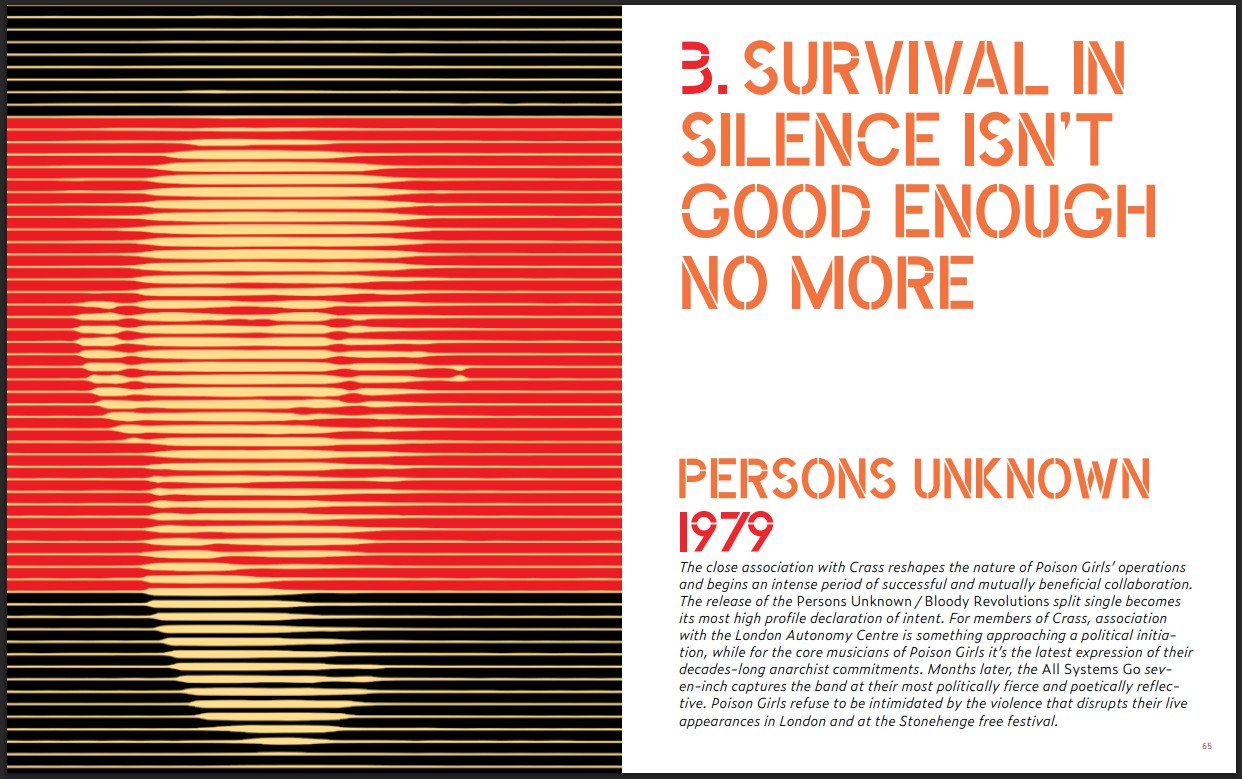
At the outset, it was agreed that this would be a large-format, full-colour book that would give us the space and the design possibilities to do justice to the Poison Girls story.
And as we came up with new ideas for the book–things like the tour diaries, the spotlight interviews, the features on The Impossible Dream–PM Press continued to support us, even as the page count kept on growing! It was a major vote of confidence in what we were doing!
How did you go about researching the book? Who were you able to talk to, and what materials were you able to access?
Between the three of us, we already had a pretty sizeable collection of Poison Girls materials and ephemera–posters, flyers, handouts, badges, clippings, zine interviews and the like. That was a great start. We then began the hunt for more. Then we approached people that we knew had amazing things in their own files from back in the day–like the superb photographer Ming DeNasty, who had incredible shots of Poison Girls playing live; Simon Nolan who had put together an authorised reproduction of Words Written in Trust; and so many others–who we rightly thank in the book’s acknowledgements.
And we were incredibly grateful that Richard Famous, Pete Fender and Gem Stone agreed that we would be able to digitize materials from Poison Girls’ own archive. We knew that was an extraordinary vote of faith.
I had one sleepless night whilst waiting for Richard Famous’ irreplaceable handwritten tour diaries to arrive in the post, willing them not go missing en route from Shetland. They arrived safe-and-sound, and were a fascinating read!
And over the course of a year and more, I interviewed people in, and close to, the Poison Girls family, and people whose paths crossed with band at different times–who brought some really interesting insights–including Heather Joyce from Toxic Shock, Robert Lloyd from The Nightingales, and Steve Ignorant from Crass.
Did you have a good idea of the story that you wanted to tell as you began writing?
Knowing that I had the space, my focus was on trying to the tell the full story of the band, from their origins right through to their endgame–and what came after.
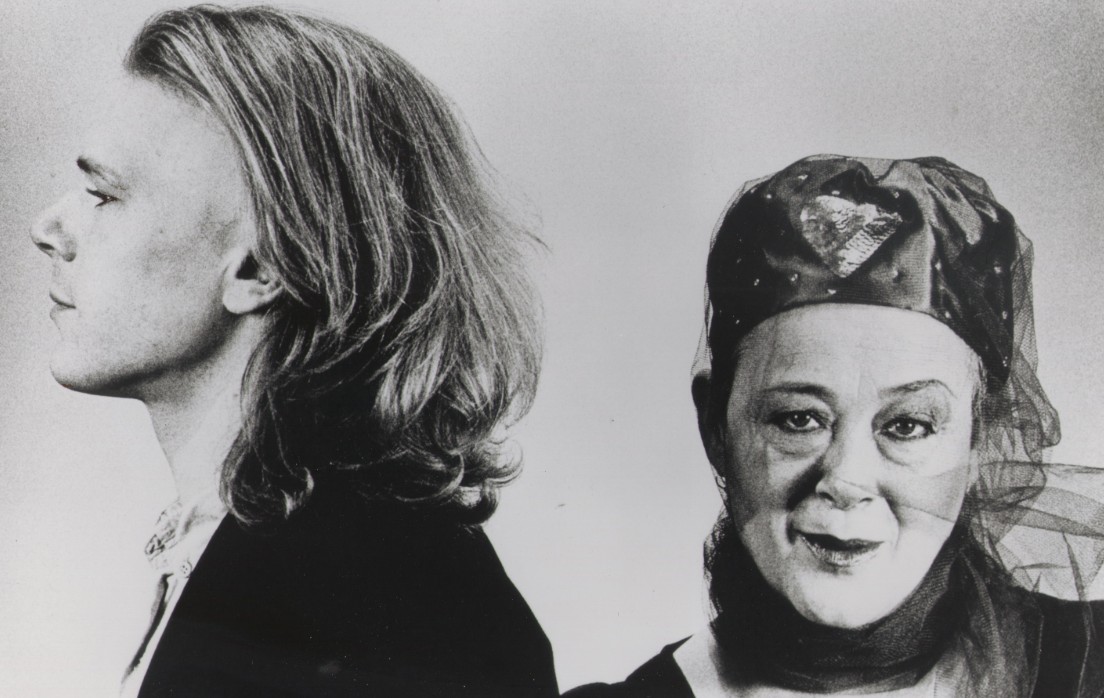
Clearly, the persona of the remarkable, redoubtable Vi Subversa–Poison Girls’ frontwoman, guitarist and singer, lyricist and songwriter–had to be absolutely central to the story of the band.
It was also important the story was not just about the band’s period of close collaboration with Crass. That was clearly a significant part of the band’s history, but it’s only part of a far longer history–and I was clear that this could not be the single lens through which the story was focused.
There are illuminating comparisons to be made between the practice of Poison Girls and that of other political and cultural artists–and one of those comparisons can legitimately be with Crass and the wider anarcho-punk scene. But it’s only one point of reference, amongst many.
It was also important the story was not just about the band’s period of close collaboration with Crass
— Rich Cross
How did the layout and design of the book develop over time?
What usually happens with a book is that the manuscript gets written and finalised, and then passed to the designer to work up the layout. What was different in this case is that the design work began almost immediately, as soon as I shared that initial draft chapter from the Tribe manuscript with my colleagues.
It meant that we could see what different sections of the book might look like even as I was writing. It meant that we were able to bounce around design specs and test out a whole host of options as the text itself continue to grow and evolve. And that, of course, sparked a load of additional ideas. It helps, of course, that Alec is such a ridiculously talented graphic and book designer, and so instinctively collaborative.
It was a really inspiring way to work, and kept pushing us on to make the design illuminate the words, and the words enhance the design. I’d love to work that way on future book projects.
Did the idea of the retrospective Poison Girls CD box set develop in parallel with the book?
Yes, very much so. Again, Ramsey at PM Press was really keen to not simple repress the Statement CD box set that was originally released in 1995, but to build on that–adding in all the original vinyl releases that were not part of the set, and bringing in new studio, live and demo recordings to make the ‘definitive’ Poison Girls collection.
The way it’s been put together and packaged is really effective. As well as compiling all the lyrics to more than 100 Poison Girls songs, there’s an illustrated mini-history of the band–different to the words in the book–and everything is again beautifully designed by Alec.
The music of Poison Girls became the soundtrack for me writing the book–and it was the glorious, perfect catalyst for writing each new chapter in the band’s life.
Are you pleased with how the book has turned out?
All three of us are really proud with how the book has turned out. It looks fantastic, and reflects every era in the band’s life and work. I hope that what I’ve written–and more importantly the words of the people who were part of the story–goes some way to capturing why Poison Girls were so significant for the countercultural ambitions of the British underground, and why their work and their legacy matters.
What key things would you want readers to take away from the book?
I’m pretty confident that even those readers very familiar with the work of Poison Girls will discover things about the band that they did not know. And for those less familiar, or who are coming at this cold, I hope that the band’s story is something of a revelation about how its possible to carve a distinctive path through the world of outsider culture–refusing to be bound by the restraints of the scene’s shibboleths.
Poison Girls were a remarkable band in so many ways-determined to confront misogyny and ageism not just in the wider world, but directly within the counterculture that they demanded acknowledge and recognise them. They were fiercely political in everything they did, but they wanted to express their politics in unpredictable and unformulaic ways–so they made extraordinary music and art, and wrote captivating lyrics and poetry, to express those ideas.
One point I would pick out is that Poison Girls’ practice challenges the frequently recycled myth that the founding forces of what became ‘anarcho-punk’ knew nothing about the politics of anarchism at the outset. Collectively, Poison Girls could draw on decades of informed activism in the British anarchist movement. Their efforts as a emergent punk band in 1977 began in a context of knowledge, awareness and experience–not ignorance.
What’s your next project after this?
I have a few things already lined up! The project to complete and release Lance Hahn’s Tribe writings in book format–again for PM Press–is what I will return my attention to next. There’s been a huge amount of progress on the manuscript over the last few years, but things went on hold again while we focused on the Poison Girls book and CD box set.
Rich Cross, with Alec Dunn and Erin Yanke. 2025. This is a Message to Persons Unknown: The Story of Poison Girls. Oakland, US: PM Press.
Order from: PM Press (UK) | PM Press (US)
 The Hippies Now Wear Black
Vi Subversa was a big loss, love their music and words.